Category Archives: art of living

Great Scott! A Publisher?

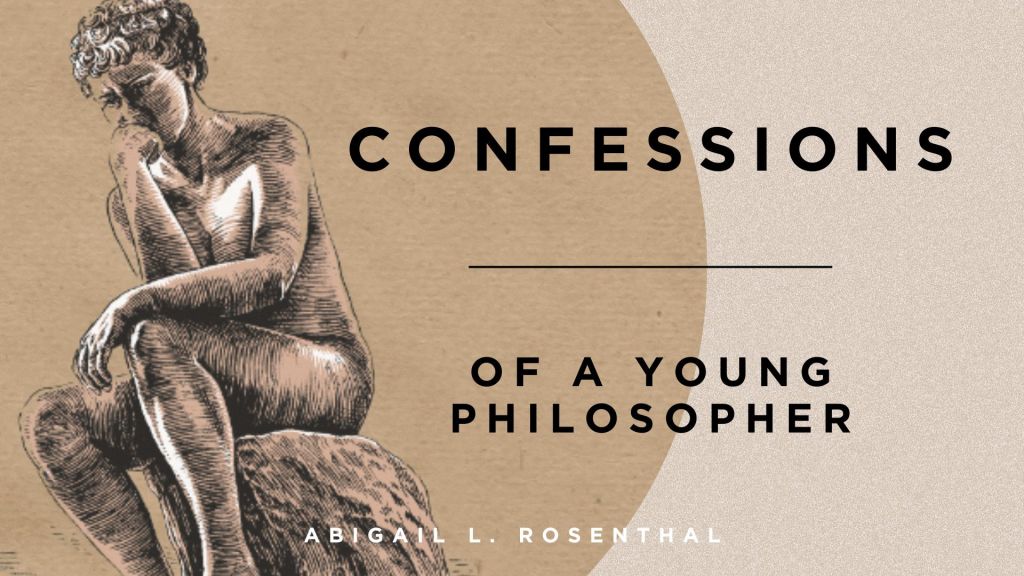
Great Scott! A Publisher? My book, Confessions of a Young Philosopher, was completed not long ago and since then I’ve turned to the much less inviting project of finding a publisher for it. Writing it was a very interesting, private … Continue reading →

Posted in absurdism, academe, action, alienation, art, art of living, autonomy, beauty, Christianity, cities, class, contemplation, contradictions, cool, courage, cultural politics, culture, desire, dialectic, ethics, existentialism, faith, fashion, femininity, feminism, freedom, friendship, gender balance, glitterati, health, history of ideas, ideality, identity, institutional power, literature, memoir, memory, moral action, moral evaluation, past and future, philosophy, politics of ideas, postmodernism, power, presence, promissory notes, psychology, public facade, public intellectual, relationships, roles, self-deception, social climbing, social construction, social conventions, social ranking, spiritual journey, spiritual not religious, spirituality, status, status of women, suffering, the examined life, the problematic of woman, the profane, the sacred, time, twentieth century, twenty-first century, work, writing, Zeitgeist | Tagged , , , , , , , , , , , , , , , , , , , , , , , , , , , , , , , , , , , , , , , , , , , , , , , , , , , , , , | 3 Comments

Real Life and the Philosophic Life

Real Life and the Philosophic Life Is there any connection between the two? The book I recently fell in love with, John Kaag’s American Philosophy: A Love Story, was heartening to me on two fronts. First, the American philosophers, whose … Continue reading →

Posted in absurdism, academe, action, alienation, art, art of living, atheism, autonomy, beauty, conformism, contemplation, contradictions, courage, courtship, cultural politics, culture, desire, dialectic, erotic life, eternity, ethics, faith, freedom, friendship, gender balance, heroes, hidden God, history, history of ideas, idealism, ideality, identity, immortality, law, legal responsibility, literature, love, masculinity, memoir, memory, nineteenth-century, past and future, philosophy, poetry, political movements, politics of ideas, presence, promissory notes, psychology, public intellectual, relationships, religion, roles, romance, romantic love, scientism, social construction, social conventions, spiritual journey, spiritual not religious, spirituality, suffering, the examined life, the problematic of men, the problematic of woman, the profane, the sacred, theism, time, twenty-first century, work, writing, Zeitgeist | Tagged , , , , , , , , , , , , , , , , , , , , , , , , , , , , , , , , , , , , , , , , , , , , , , , , , , , , , , , , , , , , , , , , , , , , , , , , , | 2 Comments

“Hundreds of People”

“Hundreds of People” In A Tale of Two Cities, Dickens’ great novel of the French Revolution, there is a scene where the book’s heroine says: “I have sometimes sat alone here of an evening, listening, until I have made the … Continue reading →

Posted in Absolute Freedom and Terror, absurdism, academe, action, alienation, American politics, anthropology, art, art of living, autonomy, beauty, Bible, Biblical God, bureaucracy, chivalry, cities, class, conformism, contemplation, contradictions, cool, courage, courtship, cultural politics, culture, desire, dialectic, eighteenth century, erotic life, eternity, ethics, evil, existentialism, exploitation, faith, fashion, femininity, feminism, films, freedom, friendship, gender balance, glitterati, guilt and innocence, hegemony, heroes, hidden God, hierarchy, history, history of ideas, idealism, ideality, identity, ideology, immorality, immortality, institutional power, Jews, journalism, Judaism, law, legal responsibility, life and death struggle, literature, love, male power, martyrdom, masculinity, memoir, memory, mind control, modernism, moral action, moral evaluation, mortality, oppression, past and future, philosophy, poetry, political, political movements, politics, power, presence, propaganda, psychology, public facade, public intellectual, reductionism, relationships, religion, roles, romance, romantic love, self-deception, sex appeal, sexuality, social construction, social conventions, social ranking, sociobiology, spiritual journey, spiritual not religious, spirituality, status, status of women, suffering, terror, terrorism, the examined life, the problematic of men, the problematic of woman, the profane, the sacred, theism, theology, time, TV, twenty-first century, victimhood, victims, violence, war, work, writing, Zeitgeist | Tagged , , , , , , , , , , , , , , , , , , , , , , , , , , , , , , , , , , , , , , , , , , , , , , , , , , , , , , , , , , , , , , , , , | 6 Comments

“The Elevator Pitch”

“The Elevator Pitch” We fly to San Antonio this Thursday, to attend meetings of the American Academy of Religion.  Jerry will chair two panels and meet colleagues in connection with the project he founded: Theology Without Walls. Why am I … Continue reading →

Posted in absurdism, academe, action, alienation, American politics, anthropology, art, art of living, atheism, autonomy, beauty, Christianity, cities, conformism, contemplation, contradictions, cool, courage, courtship, cults, cultural politics, culture, desire, dialectic, erotic life, eternity, exploitation, faith, fashion, femininity, feminism, freedom, friendship, gender balance, glitterati, guilt and innocence, health, Hegel, hegemony, heroes, hidden God, history, history of ideas, id, idealism, ideality, identity, ideology, idolatry, immorality, immortality, institutional power, Jews, Judaism, legal responsibility, life and death struggle, literature, love, masculinity, memoir, memory, mind control, modernism, moral action, moral evaluation, oppression, past and future, philosophy, political, political movements, politics, postmodernism, power, presence, promissory notes, propaganda, psychology, public facade, public intellectual, reductionism, relationships, religion, roles, romantic love, seduction, self-deception, sex appeal, social climbing, social construction, social conventions, social ranking, spiritual journey, spiritual not religious, spirituality, status, status of women, suffering, the examined life, the problematic of men, the problematic of woman, the profane, the sacred, theism, theology, time, twentieth century, twenty-first century, victimhood, victims, work, writing, Zeitgeist | Tagged , , , , , , , , , , , , , , , , , , , , , , , , , , , , , , , , , , , , , , , , , , , , , , , , , , , , , , , , , , , , , , , , , , , , , , , , , , , , , , , , | 2 Comments

Men Worth Remembering

Men Worth Remembering Michael Wyschogrod was a theologian, philosopher and doer of quiet deeds of rescue for many, me included. Last Monday night, his colleagues organized a memorial meeting for him at Baruch College of The City University of New … Continue reading →

Posted in Absolute Freedom and Terror, absurdism, academe, action, afterlife, alienation, American politics, anthropology, art, art of living, autonomy, Bible, Biblical God, childhood, chivalry, Christianity, cities, conformism, contemplation, contradictions, cool, courage, courtship, cultural politics, culture, desire, dialectic, erotic life, eternity, ethics, evil, existentialism, exploitation, faith, femininity, freedom, friendship, gender balance, glitterati, guilt and innocence, heroes, hidden God, hierarchy, history, history of ideas, idealism, ideality, identity, ideology, idolatry, immorality, immortality, institutional power, Jews, Judaism, law, legal responsibility, life and death struggle, literature, love, male power, martyrdom, masculinity, memoir, memory, Messianic Age, modernism, moral action, moral evaluation, mortality, ontology, oppression, past and future, Phenomenology of the Mind, philosophy, poetry, political, political movements, politics, power, presence, psychology, public facade, public intellectual, reductionism, relationships, religion, roles, romance, romantic love, self-deception, social construction, social conventions, social ranking, sociobiology, spiritual journey, spiritual not religious, spirituality, status, status of women, suffering, terror, the examined life, the problematic of men, the problematic of woman, the profane, the sacred, theism, theology, time, twentieth century, twenty-first century, victims, violence, war, work, writing, Zeitgeist | Tagged , , , , , , , , , , , , , , , , , , , , , , , , , , , , , , , , , , , , , , , , , , , , , , , , , , , , , , , , , , , , , , , , , , , , , , , , , , , , , , | 4 Comments

“Selling Yourself”

“Selling Yourself” Where I come from, there was another name for women who did that, and it wasn’t “sex worker.” Although writing Confessions of a Young Philosopher sometimes felt like being crucified near an ant hill – compared to marketing, … Continue reading →

Posted in absurdism, academe, action, alienation, American politics, anthropology, art, art of living, autonomy, beauty, conformism, contemplation, contradictions, cool, courage, courtship, cultural politics, culture, desire, dialectic, erotic life, exploitation, faith, fashion, femininity, feminism, freedom, friendship, gender balance, glitterati, guilt and innocence, heroes, history of ideas, idealism, ideality, identity, idolatry, immorality, immortality, institutional power, journalism, legal responsibility, life and death struggle, literature, love, male power, memoir, memory, mind control, moral action, moral evaluation, nineteenth-century, oppression, past and future, philosophy, political, political movements, politics, postmodernism, power, presence, promissory notes, propaganda, psychology, public facade, public intellectual, relationships, roles, seduction, self-deception, sex appeal, social climbing, social construction, social conventions, social ranking, spiritual journey, spiritual not religious, spirituality, status, status of women, suffering, terror, the examined life, the problematic of woman, the profane, the sacred, time, twentieth century, twenty-first century, victims, work, writing, Zeitgeist | Tagged , , , , , , , , , , , , , , , , , , , , , , , , , , , , , , , , , , , , , , , | 2 Comments

The Unconscious

The Unconscious It’s Da King. Not Elvis. The Unconscious is the biggest thing around. Everything – everything you can mention – is under its iron heel. What sorts of things can you “mention”? Well, patriarchy, sexism, ageism – you know … Continue reading →

Posted in Absolute Freedom and Terror, absurdism, academe, action, alienation, American politics, anthropology, art, art of living, atheism, autonomy, childhood, conformism, contemplation, contradictions, cool, courage, courtship, cults, cultural politics, culture, desire, dialectic, erotic life, ethics, evil, existentialism, exploitation, faith, fashion, femininity, feminism, films, freedom, friendship, gender balance, glitterati, Gnosticism, guilt and innocence, health, hegemony, heroes, hidden God, hierarchy, history, history of ideas, id, idealism, ideality, identity, ideology, idolatry, immorality, institutional power, Jews, journalism, legal responsibility, life and death struggle, literature, love, male power, masculinity, master, memoir, memory, mind control, modernism, moral action, moral evaluation, mortality, motherhood, nineteenth-century, ontology, oppression, past and future, Phenomenology of the Mind, philosophy, poetry, political, political movements, politics, postmodernism, power, presence, promissory notes, propaganda, psychology, public facade, public intellectual, race, reductionism, relationships, religion, roles, romance, romantic love, romanticism, seduction, self-deception, sex appeal, sexuality, slave, social climbing, social construction, social conventions, social ranking, sociobiology, status, status of women, suffering, terror, terrorism, the examined life, the problematic of men, the problematic of woman, the profane, the sacred, theology, time, twentieth century, twenty-first century, victimhood, victims, violence, war, work, writing, Zeitgeist | Tagged , , , , , , , , , , , , , , , , , , , , , , , , , , , , , , , , , , , , , , , , , , , , , , , , | Leave a comment

Heroes and Patriots

Heroes and Patriots We’re in California now, but just before our trip I bought a paperback to read on the plane.   It’s been mentioned nowhere that I know of, but I happened to notice its title online: A Voice for … Continue reading →

Posted in Absolute Freedom and Terror, action, alienation, American politics, art of living, beauty, bureaucracy, cities, contradictions, cool, courage, courtship, cultural politics, culture, desire, erotic life, ethics, evil, exploitation, faith, femininity, freedom, friendship, guilt and innocence, heroes, history, identity, immorality, institutional power, journalism, law, legal responsibility, life and death struggle, literature, love, martyrdom, masculinity, memoir, memory, mind control, moral action, moral evaluation, mortality, oppression, past and future, peace, poetry, political, political movements, politics, power, presence, propaganda, psychology, public facade, reductionism, relationships, roles, romance, romantic love, seduction, self-deception, sex appeal, sexuality, social construction, social conventions, social ranking, status, suffering, terror, terrorism, the examined life, the problematic of men, the problematic of woman, twentieth century, twenty-first century, victimhood, victims, violence, war, work, writing, Zeitgeist | Tagged , , , , , , , , , , , , , , , , , , , , , , , , , , , , , , , , , , , | 1 Comment

“Chivalry”

Chivalry John Adams, who was the second president of the United States, wrote: “Our constitution was made only for a moral and religious people. It is wholly inadequate to the government of any other.” At present, the people of the … Continue reading →

Posted in Absolute Freedom and Terror, absurdism, academe, action, alienation, American politics, anthropology, art, art of living, autonomy, beauty, chivalry, Christianity, class, conformism, contemplation, contradictions, cool, courage, courtship, cultural politics, culture, desire, dialectic, erotic life, ethics, evil, exploitation, faith, fashion, femininity, feminism, freedom, friendship, gender balance, glitterati, guilt and innocence, health, hegemony, heroes, hierarchy, history, history of ideas, id, idealism, ideality, identity, ideology, immorality, institutional power, journalism, law, legal responsibility, life and death struggle, literature, love, male power, masculinity, master, medieval, memory, mind control, modernism, moral action, moral evaluation, mortality, oppression, past and future, philosophy, political, political movements, politics, postmodernism, power, presence, promissory notes, propaganda, psychology, public facade, public intellectual, reductionism, relationships, roles, romance, romantic love, romanticism, seduction, self-deception, sex appeal, sexuality, slave, social climbing, social construction, social conventions, social ranking, sociobiology, spirituality, status, status of women, suffering, terror, the examined life, the problematic of men, the problematic of woman, the profane, the sacred, time, TV, twentieth century, twenty-first century, victimhood, victims, violence, writing, Zeitgeist | Tagged , , , , , , , , , , , , , , , , , , , , , , , , , , , , , , , , , , , , , , , , , , , , , , , , , , , , , , , , | Leave a comment

The Moral Drama of the World

The Moral Drama of the World It’s Erev Rosh Ha Shana (the eve of the Jewish New Year 5777) and here I am, not in synagogue tonight, because I have a column to script. Likewise tomorrow I’ll be late for … Continue reading →

Posted in Absolute Freedom and Terror, absurdism, academe, action, afterlife, alienation, American politics, anthropology, art of living, atheism, autonomy, Biblical God, chivalry, Christianity, class, conformism, contemplation, contradictions, cool, courage, cultural politics, culture, desire, dialectic, erotic life, eternity, ethics, evil, existentialism, exploitation, faith, fashion, femininity, feminism, freedom, friendship, gender balance, guilt and innocence, health, hegemony, heroes, hidden God, hierarchy, history, history of ideas, idealism, ideality, identity, ideology, idolatry, immorality, immortality, institutional power, Jews, Judaism, law, legal responsibility, life and death struggle, love, martyrdom, master, memoir, memory, mind control, modernism, moral action, moral evaluation, mortality, non-violence, ontology, oppression, pacifism, past and future, peace, philosophy, political, political movements, politics, postmodernism, power, presence, promissory notes, propaganda, psychology, public facade, public intellectual, reductionism, relationships, religion, roles, romance, seduction, self-deception, social climbing, social construction, social conventions, social ranking, sociobiology, spiritual not religious, spirituality, status, status of women, suffering, terror, the examined life, the problematic of men, the problematic of woman, the profane, the sacred, theism, theology, time, victimhood, victims, violence, war, work, writing, Zeitgeist | Tagged , , , , , , , , , , , , , , , , , , , , , , , , , , , , , , , , , , , , , , , , , , , , , , , , , , , , , , , , , , , , , , , | Leave a comment