Category Archives: the examined life
Do Miracles Happen?
Do Miracles Happen? Occasionally something occurs that you or I might be tempted to call “a miracle.” But: what follows when you try to talk about a “miracle” that you think might have happened to you? Despite the Establishment Clause … Continue reading
Posted in absurdism, academe, action, afterlife, alienation, anthropology, art of living, atheism, autonomy, Christianity, class, conformism, contemplation, contradictions, cool, courage, cultural politics, culture, desire, dialectic, eternity, ethics, existentialism, exploitation, faith, fashion, freedom, glitterati, health, hegemony, heroes, hidden God, hierarchy, history of ideas, identity, ideology, idolatry, immortality, institutional power, journalism, life and death struggle, male power, masculinity, memoir, memory, modernism, moral action, moral evaluation, moral psychology, mortality, mysticism, ontology, past and future, philosophy, politics of ideas, postmodernism, power, presence, promissory notes, propaganda, psychology, public facade, public intellectual, reductionism, relationships, religion, roles, scientism, secular, self-deception, social climbing, social construction, social conventions, social ranking, sociobiology, spiritual journey, spiritual not religious, spirituality, status, suffering, terror, the examined life, the problematic of men, the problematic of woman, the profane, the sacred, theism, theology, time, twentieth century, twenty-first century, work, writing, Zeitgeist
Tagged "Freddie's lost his cool", A.J. Ayer, accepted views, altruism, Analytic philosophy, Anglophone philosophy, annihilation of consciousness, anthologies of religion, Atheism, atheist, atheist anxieties, belief system, body as mechanism, brain damage, brain death, British Humanist Association, brute features of humanity, chance as explanatory, Darwinism, definition of miracles, established religion, Establishment Clause, evolutionary biology, felt futility, First Amendment, fruitful outcome, getting nowhere, heart death, human refinement, identity theory, improbable events, laws of nature, laws of probability, life after death, life deceits, light on the meaning, logical positivism, meaning of life, meaningful events, meaninglessness, mental clatter, mind is brain, miracles, N.D.E., natural selection, near death experience, non-conformism, noticing a miracle, O.B.E., objectivity, origin of space and time, out of body experience, out of the closet, perceiving a miracle, philosophical failure, philosophical success, private experience, randomness, Rationalist Press Association, reductionism, religious doctrine, religious tolerance, role of chance, secular humanism, seeing God, selling the Brooklyn Bridge, sense data, social conformism, social dissent, social excommunication, social isolation, South Place Ethical Society, stopping to listen, stopping to look, Sunday Telegraph, supernatural event, survival drive, synchronicity, synchronous events, target of ridicule, The Big Bang, the material world, the objective world, the selfish gene, theory of evolution, US Constitution, what's a miracle?
2 Comments
Who Is The Suffering Servant?
Who Is The Suffering Servant? There is a passage in Second Isaiah where a figure suddenly shows up who has come to be called The Suffering Servant. Here is a partial account of the person described. He has no form … Continue reading
Posted in absurdism, academe, action, afterlife, alienation, art, art of living, atheism, autonomy, beauty, Bible, Biblical God, bureaucracy, chivalry, Christianity, conformism, contemplation, contradictions, courage, cultural politics, culture, desire, dialectic, erotic life, eternity, ethics, evil, existentialism, exploitation, faith, fashion, freedom, friendship, guilt and innocence, health, Hegel, hegemony, heroes, hidden God, hierarchy, history, history of ideas, idealism, ideality, identity, ideology, idolatry, immorality, immortality, institutional power, Jews, Judaism, law, legal responsibility, life and death struggle, literature, love, martyrdom, masculinity, master/slave relation, medieval, memoir, memory, Messianic Age, mind control, modernism, moral action, moral evaluation, moral psychology, mortality, mysticism, non-violence, ontology, oppression, pacifism, past and future, peace, Phenomenology of the Mind, philosophy, poetry, political, political movements, politics of ideas, postmodernism, power, presence, promissory notes, propaganda, psychology, public facade, public intellectual, race, radicalism, reductionism, relationships, religion, roles, romance, scientism, secular, self-deception, social climbing, social construction, social conventions, social ranking, spiritual journey, spiritual not religious, spirituality, status, suffering, terror, the examined life, the problematic of men, the problematic of woman, the profane, the sacred, theism, theology, time, twentieth century, twenty-first century, Utopia, victimhood, victims, violence, war, work, writing, Zeitgeist
Tagged "with his stripes we are healed", Abraham J. Heschel's The Prophets, Assyrian conquest, Babylonian exile, bedtime reading, behaving badly, Benjamin, betrayed lover, cathedrals, chastisement, Christendom's dark underside, Christendom's evasions, Christian and Jewish scholars, Christmas carols, civil disobedience, contempt for Jews, crucifixion, Cyrus the Great, David's city, fall of Jerusalem, First Temple, First Temple's destruction, forecasters, genuine prophets, God in history, God's headquarters, God's outrage, grace and humility, Haggadic literature, Halacha, healing, interfaith discussion, Israel as Suffering Servant, Jerusalem, Jesus died for our sins, Jewish convenant, Jewish messianism, Jewish mission, Jewish orthodoxy, Jewish resistance, Jewish traditions, Judah, Levi, limits of language, lover's fury, macro-history, making whole, messiah's identity, messianic restoration, Michael Wyschogrod's Rainbow Group, murder en masse, not like other men, partnering with God, Passion of Christ, people of Israel, personal outrage, Pontius Pilate, Rabbi Irving Greenberg, reading the future, rejected by men, Resurrection of Jesus, return to Zion, righteous Gentiles, Roman occupation, round up of Jews, salvation through Jesus, Second Isaiah, Second Temple period, self-congratulation, sinful world, smitten by God, Suffering Servant, sufficient suffering, ten lost tribes, the Holocaust, The Holocaust as lesson, The horizontal way, The vertical way, theological architectonic, tribe of Benjamin, tribe of Judah, tribe of Levi, truth as healing, would-be messiahs, Yehezkel Kaufmann's The Religion of Israel
Leave a comment
A Misremembered Woman
A Misremembered Woman I found a book to read for the flight from Philadelphia to Ontario, California, this past week. It was about a woman named Sabina Spielrein. I’d never heard of her, but she’s an important figure in the … Continue reading
Posted in absurdism, academe, action, alienation, anthropology, art, art of living, atheism, autonomy, beauty, bureaucracy, childhood, chivalry, conformism, contemplation, contradictions, courage, cultural politics, culture, desire, dialectic, erotic life, ethics, evil, existentialism, exploitation, fashion, femininity, feminism, films, freedom, friendship, gender balance, glitterati, guilt and innocence, health, hegemony, heroes, hierarchy, history, history of ideas, id, idealism, ideality, identity, ideology, idolatry, immorality, institutional power, Jews, Judaism, legal responsibility, life and death struggle, love, male power, martyrdom, masculinity, master, master/slave relation, memoir, memory, mind control, modernism, moral action, moral evaluation, moral psychology, mortality, motherhood, nineteenth-century, oppression, past and future, philosophy, poetry, political, political movements, politics, politics of ideas, postmodernism, power, presence, propaganda, psychology, public facade, public intellectual, race, reductionism, relationships, roles, romance, romantic love, scientism, secular, seduction, self-deception, sex appeal, sexuality, social climbing, social construction, social conventions, social ranking, sociobiology, spiritual journey, spiritual not religious, spirituality, status, status of women, suffering, terror, the examined life, the problematic of men, the problematic of woman, the profane, the sacred, time, twentieth century, twenty-first century, victimhood, victims, violence, war, work, writing, Zeitgeist
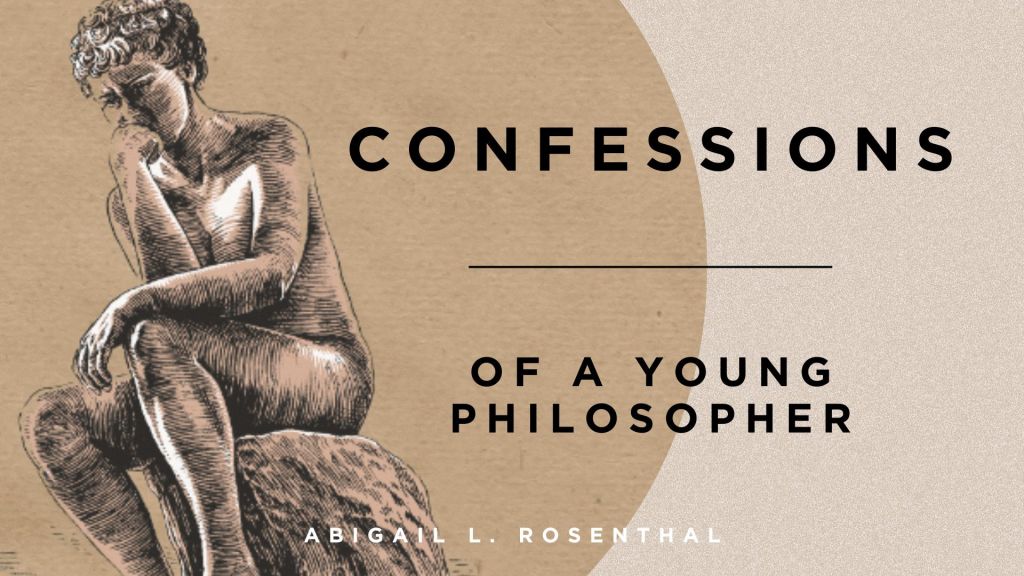
Tagged "The Love Cure", Abigail L. Rosenthal's "Confessions of a Young Philosopher", abuse of power, alpha males, biology and socialization, blotting a reputation, Carl Jung, Confessions of a Young Philosopher, creative empathy, creativity, culture heroes, death and rebirth, death instinct, desire stylized, doctor/patient relationship, driving women crazy, erasure of woman's intellectual legacy, erotic union, essentialism, female sexuality, feminine concepts, feminine ideals, Femininity, Feminism, feminist rehabilitations, Freud's Vienna Psychoanalytic Society, intellectual competitors, intellectual women, Jung's archetypes, male abuse, Male Power, male preserves, medical malpractice, mistress, mythic motifs, name calling as diagnosis, Nazi invasion of USSR, opinion shapers, perversion of influence, Phyllis Chesler, Phyllis Chesler's "Raped By Carl Jung Then Murdered By The Nazis" 11/6/17, Russia in the 1920s, Schizophrenia, Simone de Beauvoir's The Second Sex, social construction of gender, Soviet persecution, the Freud/Jung correspondence, The Freud/Jung Letters The Correspondence between Sigmund Freud and C. G. Jung ed.William McGuire, The Mothers, the psyche of a man, the soul of a woman, the unconscious, therapeutic malpractice, unwomanly women, What does woman want?, winners and losers, woman culture heroes, women novelists
Leave a comment
How Can I Tell If It’s God?
How Can I Tell If It’s God? I have Christian friends who tell me that a moment came in their experience when “everything changed.” They “met the living God.” Another friend, Jewish, who’s pretty well versed in Yoga, recently reported … Continue reading
Posted in absurdism, academe, action, afterlife, alienation, anthropology, art of living, atheism, autonomy, beauty, Bible, Biblical God, childhood, Christianity, conformism, contemplation, contradictions, cool, courage, cults, cultural politics, culture, desire, dialectic, erotic life, eternity, ethics, evil, existentialism, faith, fashion, femininity, feminism, films, freedom, friendship, gender balance, glitterati, Gnosticism, guilt and innocence, health, Hegel, hegemony, heroes, hidden God, hierarchy, history, history of ideas, id, idealism, ideality, identity, ideology, idolatry, immorality, immortality, institutional power, Jews, Judaism, law, legal responsibility, life and death struggle, literature, love, male power, masculinity, memoir, memory, Messianic Age, modernism, moral action, moral evaluation, moral psychology, mortality, mysticism, nineteenth-century, ontology, oppression, past and future, peace, Phenomenology of the Mind, philosophy, poetry, political, political movements, politics, politics of ideas, postmodernism, power, presence, promissory notes, propaganda, psychology, public facade, public intellectual, reductionism, relationships, religion, roles, romantic love, scientism, secular, self-deception, social construction, social conventions, social ranking, sociobiology, spiritual journey, spiritual not religious, spirituality, status, status of women, suffering, terror, the examined life, the problematic of men, the problematic of woman, the profane, the sacred, theism, theology, time, twentieth century, twenty-first century, victimhood, victims, violence, work, writing, Zeitgeist
Tagged Abigail L. Rosenthal's "Confessions of a Young Philosopher", Atheism, Authenticity, becoming oneself, Bible movies, burning bush, childhood religious training, Christians, coincidence, Confessions of a Young Philosopher, entering bliss, Epistemology, finding one's identity, founder of Modern Philosophy, Freudian view, gender of God, Hegelian view, Jesus in the movies, Jewish miracle, Jewish view, King James version, Kumbhaka, life saga, losing faith, making sense, meaning what you say, meeting God, Method of Doubt, miracle, miracle or coincidence, Moses in the movies, Patajali’s Yoga Sutras, providence, providential intervention, Real Voice, Rene Descartes, self-discovery, Spinozistic view, suspension of breath, theory of doubt, theory of knowledge, turning Godward, voice of God, weekly journals, yoga meditation
2 Comments
I Believed Juanita Back When
I Believed Juanita Back When When I watched Lisa Meyers’ NBC interview with Juanita Broaddrick, back when President Bill Clinton had just survived an impeachment vote in the Senate, I called myself a “Clinton Democrat.” Why then would I bother … Continue reading
Posted in absurdism, action, alienation, American politics, anthropology, art, art of living, autonomy, beauty, bureaucracy, chivalry, class, conformism, contemplation, contradictions, cool, courage, courtship, cultural politics, culture, desire, dialectic, erotic life, eternity, ethics, evil, existentialism, exploitation, faith, fashion, femininity, feminism, freedom, friendship, gender balance, glitterati, Gnosticism, guilt and innocence, health, hegemony, heroes, hidden God, hierarchy, history, history of ideas, id, idealism, ideality, identity, ideology, idolatry, immorality, institutional power, journalism, law, legal responsibility, life and death struggle, literature, love, male power, martyrdom, masculinity, master, master/slave relation, memory, Messianic Age, mind control, modernism, moral action, moral evaluation, moral psychology, non-violence, oppression, past and future, poetry, political, political movements, politics, politics of ideas, postmodernism, power, presence, promissory notes, propaganda, psychology, public facade, public intellectual, radicalism, reductionism, relationships, roles, romance, romantic love, romanticism, secular, seduction, self-deception, sex appeal, sexuality, slave, social climbing, social construction, social conventions, social ranking, sociobiology, spiritual journey, spiritual not religious, spirituality, status, status of women, suffering, terror, the examined life, the problematic of men, the problematic of woman, the profane, the sacred, theism, theology, time, TV, twentieth century, twenty-first century, Utopia, victimhood, victims, violence, war, work, writing, Zeitgeist
Tagged -isms, abuse of political power, abuse of power, accepting imperfection, affronts to honor, Attorney General Bill Clinton, being outed, believing the women, Broaddrick NBC interview, Brooklyn College, Clinton Democrat, collegial relations, credible allegations, criminal rape, date rape, Democratic Party contributors, denial, Dorothy Rabinowitz, due process, due process on campus, elected officials, eros and civilization, escapism, evidence of rape, false accusations, feeling powerless, Feminism, Feminist denial, flawed humanity, good old boys, highest good, honor, hotel room meeting, imaginary innocence, impeachment investigation, innocence, Juanita Broaddrick, K C Johnson and Stuart Taylor Jr.'s The Campus Rape Frenzy: The Attack on Due Process at America's Universities, Lisa Meyers, national honor, NBC interview, out of the closet, partisan feelings, personal and political, personal desire and public life, political powerlessness, power inequalities, power relations, President Bill Clinton, print reporter, public feminists, rape accusations, Richard Lovelace's To Lucasta Going to the Wars, romance and culture, search for purity, serving one's civilization, sex and power, sex and violence, sympathy for women, the life of desire, the official story, the press, the romantic matrix, TV interview, violated woman
6 Comments
A Good Look at Evil
A Good Look at Evil Last Friday the galley proofs arrived for the new edition of my book, A Good Look at Evil. When the first edition came out, decades back, Temple University Press nominated it for a Pulitzer prize. … Continue reading
Posted in academe, action, alienation, art of living, autonomy, bureaucracy, class, conformism, contemplation, contradictions, cool, courage, cultural politics, culture, desire, dialectic, erotic life, ethics, evil, existentialism, exploitation, faith, fashion, femininity, feminism, freedom, friendship, gender balance, glitterati, guilt and innocence, hegemony, heroes, hierarchy, history of ideas, idealism, ideality, identity, ideology, immortality, institutional power, Jews, Judaism, legal responsibility, life and death struggle, literature, love, male power, master, memoir, memory, mind control, modernism, moral action, moral evaluation, moral psychology, motherhood, oppression, past and future, philosophy, political, political movements, politics of ideas, postmodernism, power, presence, promissory notes, propaganda, psychology, public facade, public intellectual, race, relationships, roles, secular, seduction, self-deception, social climbing, social construction, social conventions, social ranking, spiritual journey, spiritual not religious, status, status of women, suffering, terror, the examined life, the problematic of men, the problematic of woman, the profane, the sacred, time, twentieth century, twenty-first century, Utopia, victimhood, victims, violence, war, work, writing, Zeitgeist
Tagged "the talent in the room", Abigail L. Rosenthal's "A Good Look at Evil", academe, academic eminence, academic research, Adolf Eichmann, ahead of its time, Betty Friedan, blurbs, book publishing, collegial relations, Eichmann's Argentine transcripts, endorsements, Eric Voegelin Society, Evil, Famous feminists, feminine self-erasure, first edition, flattery, founding mothers, galley proofs, genocide, Gloria Steinem, good and evil, good philosopher, Holocaust, Holocaust memories, keeping current, life story, Lionel Trilling, literary honors, living one’s story, mass murderer, Nazi thinking, non-fiction narrative, Norman Mailer, opinion shapers, philosophers, philosophic literacy, preface, professional recognition, professional renown, public intellectuals, Pulitzer Prize, reprint, second edition, Simone de Beauvoir, SS, Susan Sontag, Temple University Press, the Eichmann trial, the narrative view, Wipf and Stock
1 Comment