Category Archives: political
Do Evil People Get Better at Evil If They Reincarnate?
My book, A Good Look at Evil, doesn’t describe the best-known bad actors in human history. The cases I deal with are mostly of near-contemporaries. And, when dictators are discussed, it’s usually through their effects on people who executed their … Continue reading
Posted in Absolute Freedom and Terror, absurdism, academe, action, afterlife, agnosticism, alienation, American politics, anthropology, anti-semitism, appreciation, art, art of living, atheism, authenticity, autonomy, bad faith, beauty, Biblical God, bigotry, bureaucracy, childhood, Christianity, cities, class, conformism, contemplation, contradictions, cool, courage, courtship, cults, cultural politics, culture, desire, dialectic, eighteenth century, erotic life, eternity, ethics, ethnicity, evil, existentialism, exploitation, faith, fashion, fatherhood, female power, femininity, feminism, filial piety, films, freedom, friendship, gender balance, glitterati, Gnosticism, guilt and innocence, health, Hegel, hegemony, heroes, hidden God, hierarchy, history, history of ideas, id, idealism, ideality, identity, ideology, idolatry, immorality, immortality, institutional power, Jesus, Jews, journalism, Judaism, law, legal responsibility, life and death struggle, love, male power, martyrdom, masculinity, master, master/slave relation, memoir, memory, Messianic Age, mind control, modern women, modernism, moral action, moral evaluation, moral psychology, morality, mortality, Nihilism, nineteenth-century, ontology, oppression, pacifism, past and future, peace, Phenomenology of the Mind, philosophy, political, political movements, politics, politics of ideas, postmodernism, power, power games, presence, promissory notes, propaganda, psychology, public facade, public intellectual, race, racism, radicalism, reductionism, relationships, religion, remembrance, repairing the culture, roles, romance, science, scientism, secular, seduction, self-deception, sex appeal, sexuality, slave, social climbing, social construction, social conventions, social ranking, sociobiology, spiritual journey, spiritual not religious, spirituality, status, status of women, suffering, terror, terrorism, the examined life, the problematic of men, the problematic of woman, the profane, the sacred, theism, theology, time, Truth, TV, twentieth century, twenty-first century, Utopia, victimhood, victims, violence, war, work, writing, Zeitgeist
Tagged 20th century dictators, 20th-century totalitarians, Abigail L. Rosenthal's "A Good Look at Evil", culture unraveled, dictators and public relations, dictators’ lust for power, dictators’ official ideals, dictators’ rationale, dictators’ transpersonal rationales, famous bad actors, Franco’s dictatorship, Franco’s rationales, hidden agendas, Hitler’s dictatorship, ideology and strategy, ideology and the Holocaust, ideology vs strategic effectiveness, manipulation, manipulative control, manipulative dominance, manipulative seduction, Mussolini's pro-Italy propaganda, Mussolini’s dictatorship, Napoleon and French Revolutionary ideals, Napoleon and Roman prototypes, Napoleon at Malmaison, Napoleon’s classicism, Napoleon’s liberté and égalité, Nazi race theory, peace of mind, power as a means, power as the end, power for its own sake, rape, reincarnated villains, tyranny and reincarnation, tyranny misunderstood, tyrant who reincarnates, tyrants’ rationales, tyrants’ unconscious agendas, tyrants’ unconscious motivations, undoing the culture, villains in history
Leave a comment
Easter Sunday
For my Christian friends, today is the day Jesus rose from the dead. O the stone was rolled away he’s no longer where he lay. Or so goes the country hymn. Did Jesus rise from the dead? Even analytic philosophers … Continue reading
Posted in Absolute Freedom and Terror, absurdism, academe, action, afterlife, agnosticism, alienation, American politics, anthropology, anti-semitism, appreciation, art, art of living, atheism, authenticity, autonomy, bad faith, beauty, Bible, Biblical God, bigotry, books, bureaucracy, chivalry, Christianity, cities, class, conformism, contemplation, contradictions, cool, courage, courtship, cults, cultural politics, culture, desire, dialectic, erotic life, eternity, ethics, ethnicity, evil, existentialism, exploitation, faith, fashion, fatherhood, female power, femininity, feminism, filial piety, films, freedom, friendship, gender balance, glitterati, Gnosticism, guilt and innocence, health, Hegel, hegemony, heroes, hidden God, hierarchy, history, history of ideas, id, idealism, ideality, identity, ideology, idolatry, immorality, immortality, institutional power, Jesus, Jews, journalism, Judaism, law, legal responsibility, life and death struggle, literature, love, male power, martyrdom, masculinity, master, master/slave relation, memoir, memory, Messianic Age, mind control, modern women, modernism, moral action, moral evaluation, moral psychology, morality, mortality, motherhood, mysticism, Nihilism, nineteenth-century, non-violence, novels, ontology, oppression, pacifism, past and future, peace, Phenomenology of the Mind, philosophy, poetry, political, political movements, politics, politics of ideas, postmodernism, power, power games, presence, promissory notes, propaganda, psychology, public facade, public intellectual, race, racism, radicalism, reading, reductionism, relationships, religion, remembrance, repairing the culture, roles, romance, romantic love, romanticism, science, scientism, secular, seduction, self-deception, sex appeal, sexuality, slave, social climbing, social construction, social conventions, social ranking, sociobiology, spiritual journey, spiritual not religious, spirituality, status, status of women, suffering, terror, terrorism, the examined life, the problematic of men, the problematic of woman, the profane, the sacred, theism, theology, time, Truth, TV, twentieth century, twenty-first century, Utopia, victimhood, victims, violence, war, work, writing, Zeitgeist
Tagged 36 righteous ones, analytic philosophers and theological claims, Cain and Abel, Christian doctrine, Christian transcendence vs Jewish immanence, Christian verticality vs Jewish historicity, Christian/Jewish theological differences, Christianity, country hymns, cultural norms, Edith Wyschogrod, faith-systems mutually challenged, historicity of the resurrection, inherited bigotry, inherited prejudice, intellectual risk, interfaith discussion, interfaith faux benevolence, Irving Greenberg, Irving Greenberg and the Resurrection, Jewish Presbyterian negotiations, Jewish Vatican negotiations, lamed vovnik, Michael Wyschogrod, people live and die by ideas, philosopher/theologian, phony mutual respect, platitudinous goodwill, questioning one’s assumptions, resurrection, risen Christ, rivalry for God’s love, search for truth, self-congratulatory goodwill, sibling rivalry and God, spiritual risk, theological negotiations, theological politics, theological rainbow group, theological rivalry, theology and sex appeal, unreal city in the future, Wyschogrod’s Rainbow Group
Leave a comment
Shell Shocked
Presently, with more than ordinary effort, I am recovering from an attack of temporary memory loss – in delayed reaction to a combat that personally I wasn’t in. Among the young and educated elite, it is now okay – more … Continue reading
Posted in Absolute Freedom and Terror, absurdism, academe, action, afterlife, agnosticism, alienation, American politics, anti-semitism, appreciation, art, art of living, atheism, authenticity, autonomy, bad faith, beauty, Bible, Biblical God, bigotry, books, bureaucracy, childhood, chivalry, Christianity, cities, class, conformism, contemplation, contradictions, cool, courage, courtship, cults, cultural politics, culture, desire, dialectic, erotic life, eternity, ethics, ethnicity, evil, existentialism, exploitation, faith, fashion, female power, femininity, feminism, filial piety, freedom, friendship, gender balance, glitterati, Gnosticism, guilt and innocence, health, Hegel, hegemony, heroes, hidden God, hierarchy, history, history of ideas, id, idealism, ideality, identity, ideology, idolatry, immorality, immortality, institutional power, Jesus, Jews, journalism, Judaism, law, legal responsibility, life and death struggle, literature, love, male power, martyrdom, masculinity, master, master/slave relation, memoir, memory, mind control, modern women, modernism, moral action, moral evaluation, moral psychology, morality, mortality, motherhood, mysticism, Nihilism, nineteenth-century, non-violence, novels, ontology, oppression, pacifism, past and future, peace, Phenomenology of the Mind, philosophy, poetry, political, political movements, politics, politics of ideas, postmodernism, power, power games, presence, promissory notes, propaganda, psychology, public facade, public intellectual, race, racism, radicalism, reading, reductionism, relationships, religion, remembrance, repairing the culture, roles, romance, romantic love, romanticism, scientism, secular, seduction, self-deception, sex appeal, sexuality, slave, social climbing, social construction, social conventions, social ranking, sociobiology, spiritual journey, spiritual not religious, spirituality, status, status of women, suffering, terror, terrorism, the examined life, the problematic of men, the problematic of woman, the profane, the sacred, theism, theology, time, Truth, TV, twentieth century, twenty-first century, Utopia, victimhood, victims, violence, war, work, writing, Zeitgeist
Tagged academic search for truth, Athens and Jerusalem, bad kid, Berkeley cheering for Hamas, biblical history, cheering for Hamas at Columbia, civilizational foundations, Columbia University, confronting a bully, drawing the line, fight for dominance, fight for one’s honor, God as history’s witness, history’s divine witness, Jewish historical experience, Jewish memory, kids’ pecking order, living on the timeline, living your philosophy, living your words, long fasts, meaning what you say, memory loss, Oct 7 2023, Oct 8th pro-Hamas demonstrations, Post Traumatic Stress, resisting the bully, search for truth in the academy, shell shock, stopping the bully, the duty to remember, the House that Plato Built, theosophist, youthful combats
Leave a comment
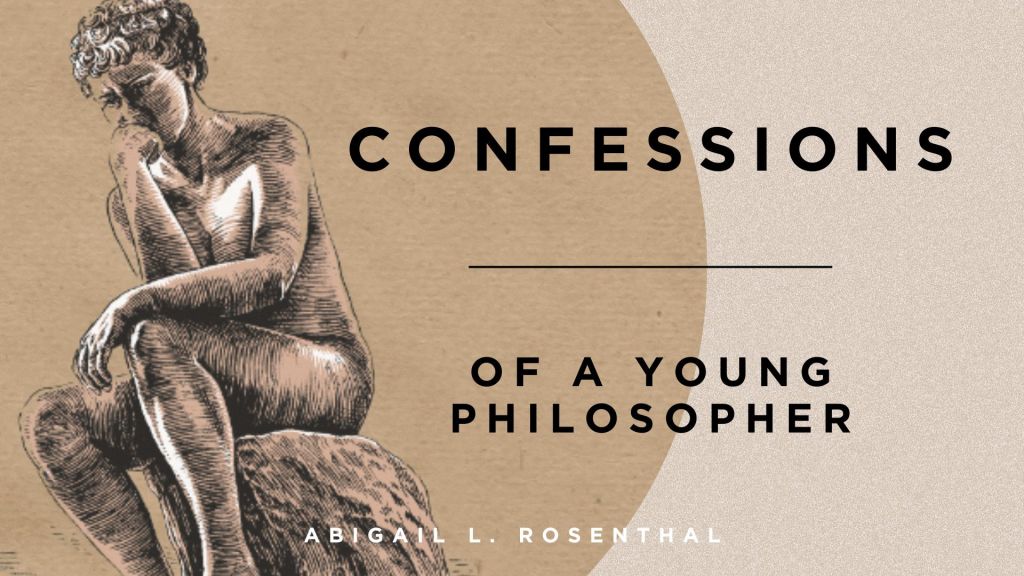
Married Philosophers Discuss Confessions: Beginningwise, Part 2
Married Philosophers Discuss Confessions Continue reading
Posted in Absolute Freedom and Terror, absurdism, academe, action, afterlife, agnosticism, alienation, American politics, anthropology, appreciation, art, art of living, atheism, authenticity, autonomy, bad faith, beauty, Biblical God, bigotry, books, childhood, chivalry, Christianity, cities, class, Confessions of a Young Philosopher, conformism, contemplation, contradictions, cool, courage, courtship, cultural politics, culture, desire, dialectic, erotic life, eternity, ethics, ethnicity, evil, existentialism, exploitation, faith, fashion, female power, femininity, feminism, films, freedom, friendship, gender balance, glitterati, Gnosticism, guilt and innocence, health, Hegel, hegemony, heroes, hidden God, hierarchy, history, history of ideas, id, idealism, ideality, identity, ideology, idolatry, immorality, immortality, institutional power, Jews, journalism, Judaism, law, legal responsibility, life and death struggle, literature, love, male power, Married Philosophers Discuss Confessions, martyrdom, masculinity, master, master/slave relation, memoir, memory, mind control, modern women, modernism, moral action, moral evaluation, moral psychology, morality, mortality, motherhood, mysticism, Nihilism, non-violence, novels, ontology, oppression, pacifism, past and future, peace, Phenomenology of the Mind, philosophy, poetry, political, political movements, politics, politics of ideas, postmodernism, power, power games, presence, promissory notes, propaganda, psychology, public facade, public intellectual, radicalism, reading, reductionism, relationships, religion, remembrance, repairing the culture, roles, romance, romantic love, romanticism, science, scientism, secular, seduction, self-deception, sex appeal, sexuality, slave, social climbing, social construction, social conventions, social ranking, sociobiology, spiritual journey, spiritual not religious, spirituality, status, status of women, suffering, terror, terrorism, the examined life, the problematic of men, the problematic of woman, the profane, the sacred, theism, theology, time, Truth, twentieth century, twenty-first century, Utopia, victimhood, victims, violence, war, work, writing, Zeitgeist
Tagged "Confessions of a Young Philosopher", 1950s America, 1950s gender roles, 20th century femininity, Abigail L. Rosenthal, American vs French women, Americans in Paris, becoming a woman, culture shock, desirability, embodiment and identity, emotional vulnerability, erotic love, eternal ideas, existential truth, female authenticity, female coming-of-age, female identity, female philosopher, feminine authenticity, feminine dignity, feminine success, feminine truth vs universal truth, femininity before feminism, feminist history, feminist philosophy books, first love, fork in the road, French idea of romance, Fulbright scholars, fulfilled woman, gender and power, God of history, heartbreak, historical consciousness, historical God, human connection, intellectual woman, Jerry L. Martin, life of the mind, living in history, longing and regret, loss of innocence, love and identity, Marxism and seduction, Paris, Paris and romance, philosophic memoir, philosophy and concrete experience, philosophy and love, power dynamics in seduction, power of the feminine, Radicalism and seduction, real-world truth, Reductionism and seduction, romantic absolute, romantic awakening, romantic disillusionment, romantic failure, romantic identity, romantic vulnerability, sex and power, sexual awakening, sexual initiation, social boundaries, social conformism, social roles, spiritual integrity, spiritual integrity undermined, spiritual witness, Sublimation, transitory love, truth about life, values in the body, vulnerability, witnessing truth, woman philosopher, women and philosophy, women and social conformism, women and vulnerability, women as socially defined, women before feminism, women’s memoirs, young female philosopher, youthful turning point
Leave a comment