Category Archives: spirituality
Lost Innocence and Tanya Tucker
Lost Innocence and Tanya Tucker Tanya Tucker hasn’t put out a country album in 17 years. While she’s been… wherever she’s been… country music has changed and now resembles rock ‘n roll. There’s a heavy, percussive roar behind virtually every … Continue reading
Posted in Absolute Freedom and Terror, absurdism, action, alienation, American politics, art, art of living, autonomy, beauty, Biblical God, chivalry, Christianity, conformism, contradictions, cool, courage, courtship, cultural politics, culture, desire, dialectic, erotic life, ethics, evil, exploitation, faith, fashion, femininity, feminism, films, freedom, friendship, gender balance, guilt and innocence, hegemony, heroes, hidden God, hierarchy, history of ideas, id, idealism, ideality, identity, ideology, journalism, life and death struggle, literature, love, male power, masculinity, memoir, memory, mind control, modernism, moral action, moral evaluation, moral psychology, morality, mortality, nineteenth-century, oppression, past and future, philosophy, poetry, political movements, politics of ideas, postmodernism, power, presence, psychology, public facade, reductionism, relationships, religion, roles, romance, romantic love, romanticism, scientism, secular, seduction, self-deception, sex appeal, sexuality, social ranking, spiritual journey, spiritual not religious, spirituality, status, status of women, suffering, terror, terrorism, the examined life, the problematic of men, the problematic of woman, the profane, the sacred, theism, theology, time, TV, twentieth century, twenty-first century, victimhood, victims, violence, war, work, writing, Zeitgeist
Tagged 19th century German philosophers, 19th century Romanticism, a real woman, Appalachian music, Arthur Schopenhauer, CMT videos, country album, country gospel, country hits, country music, country music v rock ’n’ roll, country songwriters, cowboy heroes, feminine survival, Friedrich Nietzsche, goodness and badness, integrity and wickedness, ISIS rapist, ISIS survivor, Ken Burns’s Country Music, lasting lust, Leo Bronstein, loss of innocence, love v lust, loving one’s life, old time virtue and vice, philosopher of art, rape victims, sex and ideas, Sigmund Freud, storytelling songs, surviving lost innocence, Tanya Tucker, Tanya Tucker's While I'm Livin', the good of being bad, the singer’s gift, the youth market, trauma and art, truth-telling woman, victims condemnation, Willie Nelson, Willie Nelson’s The Last Man Standing, worldwide country music fans
Leave a comment
Time and Me
Time and Me When I was a little girl, I didn’t worry about Time at all. I pretended I was a deer and roved the forests. I pretended I was a boy raised by wolves and roamed the jungle. Back … Continue reading
Posted in absurdism, academe, action, afterlife, alienation, art, art of living, autonomy, beauty, childhood, conformism, contemplation, contradictions, cool, courtship, cultural politics, culture, desire, dialectic, erotic life, eternity, existentialism, fashion, femininity, feminism, freedom, gender balance, guilt and innocence, health, Hegel, identity, literature, love, masculinity, memoir, memory, moral psychology, mortality, motherhood, novels, ontology, past and future, peace, philosophy, politics of ideas, postmodernism, power, presence, promissory notes, psychology, reading, reductionism, relationships, Renaissance, roles, romance, romantic love, seduction, self-deception, sex appeal, sexuality, social climbing, social construction, social conventions, social ranking, sociobiology, spiritual journey, spiritual not religious, spirituality, status, status of women, suffering, the examined life, the problematic of men, the problematic of woman, the profane, the sacred, time, twentieth century, twenty-first century, work, writing, Zeitgeist
Tagged actualization and time, adolescence, adolescent boys, believing the unbelievable, book illustration, childhood’s end, coming of age, coquetry, coquetry in Europe, filling time, Flirting, flirting in America, future, getting your work done, growing pains, growing up in America, here today gone tomorrow, hypothetical and actual, imaginary worlds, intentionality, John Tenniel, knowing what’s real, knowing who one is, learning one’s purpose, Lewis Carroll's Alice's Adventures in Wonderland, Lewis Carroll's Through the Looking Glass, life lessons, life regrets, life vocation, life’s work, Michelangelo, nostalgia, one’s calling, past, present, realization and time, running out of time, sufficient unto the day, teenage angst, temporality, the coming of reason, the lens of time, the real and the imaginary, Time, time and purpose, time flies, time of childhood, time’s wingéd chariot, to last and get your work done, wallflower, women friends, young girls in bloom
2 Comments
A Moral Crisis
A Moral Crisis In A Good Look at Evil, I portray a moral crisis as a time when one’s story comes to a stop. The halt isn’t called because of an external obstacle. It comes from within. What causes this … Continue reading
Posted in absurdism, academe, action, alienation, art, art of living, atheism, autonomy, beauty, Biblical God, books, bureaucracy, class, conformism, contemplation, contradictions, cool, courage, cultural politics, culture, desire, dialectic, erotic life, ethics, evil, existentialism, faith, fashion, femininity, feminism, freedom, friendship, gender balance, glitterati, guilt and innocence, health, Hegel, hegemony, heroes, hidden God, hierarchy, history of ideas, id, idealism, ideality, identity, institutional power, life and death struggle, literature, love, memoir, memory, mind control, moral action, moral evaluation, moral psychology, morality, novels, ontology, oppression, past and future, philosophy, politics of ideas, postmodernism, power, psychology, public facade, public intellectual, reading, reductionism, relationships, religion, roles, romance, seduction, self-deception, sex appeal, social climbing, social construction, social conventions, social ranking, sociobiology, spiritual journey, spiritual not religious, spirituality, status, status of women, suffering, the examined life, the problematic of men, the problematic of woman, the profane, the sacred, theism, theology, time, twentieth century, twenty-first century, victimhood, violence, work, writing, Zeitgeist
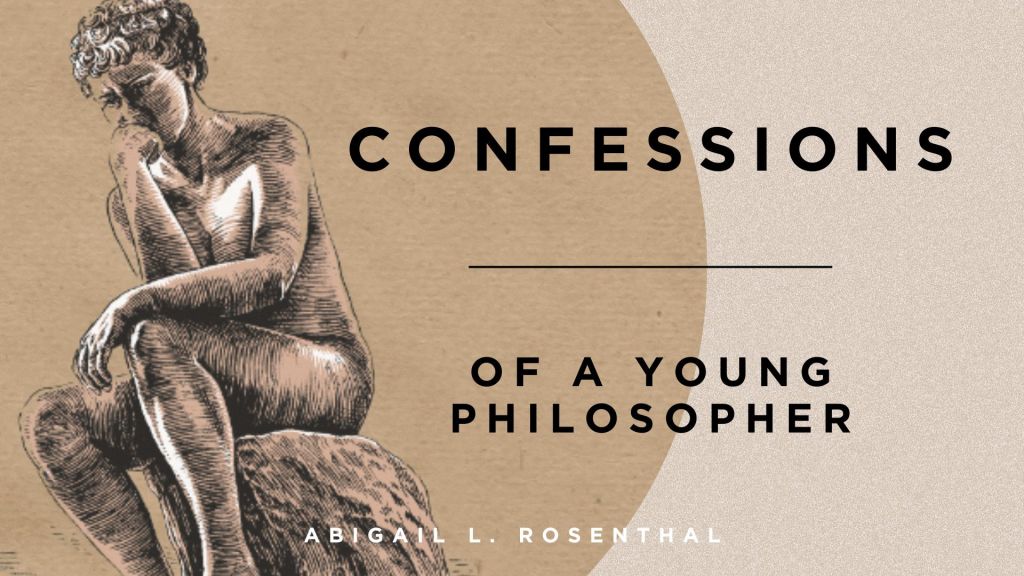
Tagged Abigail L. Rosenthal's "A Good Look at Evil", academic praise, Authenticity, autobiography, behavioral norms, circumstantial constraints, Confessions of a Young Philosopher, crisis of faith, cultural beliefs, despair, disappointed expectation, disappointed hopes, Eric Voegelin Society, evil’s game, evil’s target, favorable auspices, favorable portents, ideal publisher, invisible script, let down, life path, life possibilities, life story, losing the script, loss of honor, loss of trust, making sense of one’s life, Moral crisis, multi-dimensional, narrative view, nonfiction novel, nonfiction story, personal beliefs, physical constraints, propensities and talents, publisher’s rejection, rejection, rejection letter, self-realization, self-trust, selfhood, Sense of identity, sense of self, shrewd adversary, social interdependence, social reciprocities, stopping the story, stratagems of evil, suicidal intent, thrownness, thwarting the story, true life novel, trust in the unseen, vulnerabilities, women friends, wrecking a life, youthful episodes
1 Comment